One of the most important things you can learn prior to bringing your pet home is how the pet came to be at the shelter. Your new pet's past experiences will play a monumental role in assimilating your new pet into your family. For example, a dog that was abandoned alongside the road will have different needs and expectations than a dog who arrived at the shelter because of the death of a companion human of many years. You'll want to consider whether the pet has spent a few days without meals and shelter or whether it is in a state of mourning the loss of a beloved human. The needs are different and need to be handled accordingly. Your friends at the shelter will be happy to share the story as they know it and to answer any questions you have.
Once you've made your choice to adopt a dog, you are excited. You have a new family member! You're looking forward to fun times. On the much awaited day, you go home together. Now what?
Your first thoughts will likely be to pet and play and feed treats – all the things you think you'll both enjoy. This is the time to stop, pause and proceed slowly. Consider things from your new pet's position. He is coming into a new location. It is natural for him to be a little apprehensive. Hopefully, you've been able to have a few in home visits prior to this, but if not, don't worry. Here are some steps to make a smoother transition for everyone. (If you already have other pets, please leave them in a separate room until your new dog has a chance to tour his new home. Introductions can be made later.)
1. Upon arriving home, while he is still outside with his leash and harness on, let him relieve himself. Be patient. It may not happen immediately. He will want to smell who has been there before him and find what he considers just the right place to go. Once he has, bring him inside.

2. When you bring your new dog inside, he will want to investigate by wandering and sniffing everything in sight. Allow him to acquaint himself with the new surroundings and the smells of the people and any pets already in your home. Sit or stand calmly nearby while he does this. Keep a calm, low pitched voice and encourage him. If he's a high-strung dog or a puppy, watch for a signal that he may be getting ready to piddle. Sometimes the excitement of new people and new surroundings will be too stimulating for even a grown, house-trained pet, and they will leak on the floor. If you can catch him before it happens, quickly move him to the area you want him to use all the time, i.e., piddle pad or outside. If you aren't quick enough, and he does urinate, do not scold him for it. This was an accident.
3. After a while, you will be able to observe that he feels more comfortable. He'll slow from the scurrying and sniffing. He'll start becoming more interested in you as you talk to him. Pet him for encouragement when he comes to you. If he's a lap dog, you can bring him onto your lap, quietly talking and petting until he calms down. The time it takes to reach the relaxation point will vary by the dog. It may be as quickly as half an hour or as long as an hour. Some breeds are naturally more hyper than others and require a longer calming period. Beyond the breed characteristics are the individual dog's personality and needs.
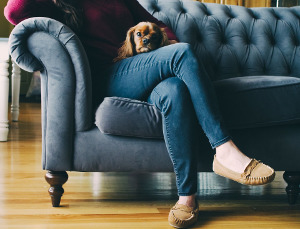
Conversely, your new dog may enter your home and be so intimidated that he lies on the floor or looks for a place to hide. He may even tremble. Sit quietly on the floor beside him, speak in a calm voice, pet him slowly, and reassure him that all is well. After he exhibits more confidence, encourage him to become acquainted with his surroundings. Understand that he may not be interested in that at this stage. As such, it may be a good time just to pet him.
After an hour to an hour and a half, it will likely be time for a nap. This was a very exciting time and drained a lot of energy. Take him outside to relieve himself. Don't use this time as a play time. You want him to learn why he is there – to take care of business.
4. Once he finished business, let him have his nap time in whatever area you will want him to nap regularly. If you don't intend to let him on the couch, don't put him there now. If you want him to sleep in his own bed on the floor, place him there and sit quietly on the floor beside him. Slowly pet him and speak in a low pitched, calming voice. Soon he will lay his head down and sleep. If you intend for him to sleep in a doggie den (aka kennel), follow the same procedure. I suggest leaving the door of the den open so he knows there is an exit, and he's free to come and go.

5. After your dog wakes from his rest, immediately take him outside to allow him an opportunity to relieve himself. Once he's done it and you've praised him, you can transition into play time inside or outside. Play with toys or take him for a walk or toss a ball outside. Older dogs will want different play than a puppy. Keep in mind the age of your dog, the breed traits, and your dog's personal requirements. The first few days a family has with their new dog, everyone will be happy to play and exercise with him. As the newness and excitement wear off, the play time lessens. Therefore, before the new pet joins the family, it is imperative that everyone understands their duty. In order to live a rich life, exercise and playtime are a requirement whether we feel like doing it or not. In addition to providing the animal with a healthy life and mind, this time strengthens the human-animal bond which is mutually beneficial.
6. Mealtime is best when planned. It is a good idea to have a calm period before dinner. Allow your pet free time to relax and calm itself before eating. Just as you would not want to rush in after playing baseball and immediately engorge your stomach with a meal, neither is it a good idea for your dog to be involved in a hyper activity just before its meal.
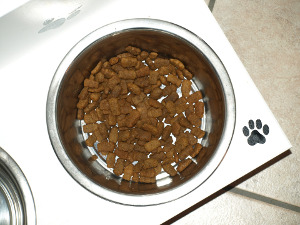
Ideally, you have determined the number of times per day your dog needs to be fed, how much it needs to be fed and which food needs to be fed. When a dog/puppy comes to a new environment is not the time to change its food or food routine. A highly sensitive dog especially may get an upset stomach resulting in indigestion and vomiting – something neither of you want to experience. Therefore, check with the shelter to see what they were feeding and their schedule. For the first few weeks, stick to the same diet and eating time. If you need to change the time to coincide with your schedule, you can slowly adjust after 6-8 weeks. Begin by gradually moving toward the time best for the family schedule. For instance, if you have been maintaining the shelter schedule of evening feeding at 6:30 pm, but your family schedule means a 6 pm feeding is preferred, adjust the time by moving toward the 6 pm feed in 5-10 minute increments weekly until you reach the preferred schedule. Eventually you will not need to worry so much about this as the pet will not die if you feed it early, or consequently late. The goal is not to upset the intestinal tract of your pet during its settling in phase, causing both of you problems.
7. Bedtime can be a scary time for your new pet. Even in a shelter, it is used to having certain pets or people around it. In its new home, none of those things will be there. It's a good idea to have a calm period before anticipated bedtime. Just before retirement, take the pet to relieve itself. Do this in the same place you will expect your pet to use daily. Don't start with a potty pad it you want your pet to go outside nightly. It is much easier on all if you start with what you expect for the duration instead of starting one way and then trying to retrain to another.
Just as a child might be uncomfortable in a strange place and reflect that by whining, so a pet can be - whether it is a puppy or an older pet. It is a good idea to prepare for this in advance by taking a small blanket like a receiving blanket, a toy, or a small bed to the shelter a week or so before bringing your new dog home. The shelter can place the item in the pet's personal area so that the item takes on the scent of the pet and the pet becomes familiar with the item. Then, bring your dog and the special item home at the same time. At bedtime, put the item with the pet to give the pet a sense of familiarity and safety. Even doing this is sometimes not sufficient to keep a new pet from crying during the first few nights in a new place. I recommend handling this distress in a manner similar to how you would handle a small child having the same experience. Quietly wait a few minutes for the pet to fall asleep on its own. If this isn't successful, go to the pet and in a firm but soothing voice and gentle petting assure the pet that all is well. Yelling in a loud voice for it to shut up will do nothing more than upset you and the pet. After the pet has calmed and laid down its head, continue petting for a few moments, then return to your bed. If the dog awakens again during the night, listen quietly to see if it will fall back to sleep. If it doesn't, call to it in a firm, but gentle voice for reassurance. Hopefully, this will be enough for the dog to fall back to sleep. Keep in mind that how you handle your first nights with your new dog can set an expectation in the pet's mind also. Just as a new baby can learn that if I cry, Momma comes running, a new dog can learn to expect and command similarly. As with a child, you will learn how to handle every situation. Firstly, make sure the pet is ok, give reassurance, then set expectations by your actions. Experience is a great teacher.
8. A wellness checkup with the veterinarian you have chosen is a must to have within the first week after bringing your new dog home. Your vet will want to make sure your dog is healthy, obtain your dog's vaccination record , note the microchip number for your pet in his files, and answer any questions you have about care and routine for your new family member. He/she will advise you of ongoing care such as booster vaccinations, heartworm prevention, growth expectation, weight maintenance, exercise, and diet recommendations so you and your pet can have a long life together. Your veterinarian will become your go-to person for any questions you will have about your pet.
9. During the weeks that follow, you will also want to acquaint your pet with the person who will be your pet's caregiver when you have to be away from home. Don't let the introduction to this caregiver wait until you need the caregiver. The day you have to go out of town for business is not the time to take your dog and dump him in strange surroundings and expect him to be fine. Just as he needed acclimation to your home, he needs to familiarize himself with any temporary caretaker and surroundings. It is important for him to know and trust the person who will provide that care. Discuss your pets routine and specific needs with the caretaker and have him/her make notes to have ready during future visits
REMEMBER, your friends at the shelter are also there to help you even after you take your pet home. They are just a phone call away to offer information about how your pet acted at the shelter, things that made it happy, things that scared it, things it loved to do, how well it ate or any number of questions about your specific pet. While generalizations will help us in most any situation, nothing beats knowing specifics about a a pet.
For pets adopted from the Humane Society of Olney, Dale's Pet Care can provide excellent temporary care at affordable prices. Best of all, your pet already knows these surroundings, and the people are the same ones who provided the loving care for him during his time at the shelter. Call Dale Smith at 618-395-2067 to discuss future care for your new family member and any pets you already have.
Please don't purchase or breed while there are homeless pets.